How to Do Facial Lymphatic Drainage at Home

Updated: May 18
Recently, I’ve noticed some changes in my skin texture. My jawline, in particular, feels a little softer than it used to. That made me start thinking about ways to lift and support those areas. I’m not interested in injectables or surgical procedures. These days, the Contour Stick by Westman Atelier in Au Lait (aff link) has become a bit of a lifesaver for me.
Then I remembered studying lymph node drainage in cosmetology school back in 2004. That memory inspired me to revisit the technique and refresh my knowledge. It also led me to write this guide on how to do facial lymphatic drainage at home for refreshed, de-puffed skin.
In this article, I’ll cover:
What lymphatic drainage is and why it matters
How lymphatic flow affects the appearance of your skin
Signs your face may be retaining fluid
Lymphatic drainage vs. regular facial massage
The benefits you can expect
A step-by-step guide to facial lymphatic drainage at home
Using tools like gua sha and jade rollers
Best practices for realistic results
When to see a professional
I also wanted to refresh my own skills in lymphatic drainage. We’ll see if I can turn this into a consistent habit moving forward.
Before we begin with some background, do check my previous post about the Lisa Eldridge's
Some Background First
If your face looks puffy in the morning or your jawline seems less defined after a salty meal, fluid retention may be the culprit. Facial lymphatic drainage is a gentle massage technique that helps move excess fluid away from the face, reducing swelling and giving the skin a refreshed, healthy appearance.
This method has become increasingly popular in skincare routines because it can create a temporary “contoured” look without expensive treatments. While it isn’t a cure for chronic skin conditions, it can be very effective at reducing puffiness, improving circulation, and giving the skin a natural glow.
The best part? You don’t need a spa appointment. With the right technique and light pressure, you can safely perform facial lymphatic drainage at home.
What Is Lymphatic Drainage and Why Does It Matter?
The lymphatic system is a network of vessels and roughly 500–700 lymph nodes that helps regulate fluid balance and support immune function.
Unlike the circulatory system, which relies on the heart to pump blood, the lymphatic system is a low-pressure system. It depends on muscle movement, breathing, and gentle external stimulation—such as massage—to move fluid through the body.
When lymph flow slows down or fluid accumulates in facial tissues, the result can be puffiness, swelling, and a dull appearance. Gentle lymphatic drainage massage encourages this fluid to move toward nearby lymph nodes, where it can be processed and removed from the tissue.
How Lymphatic Flow Affects the Appearance of Your Skin
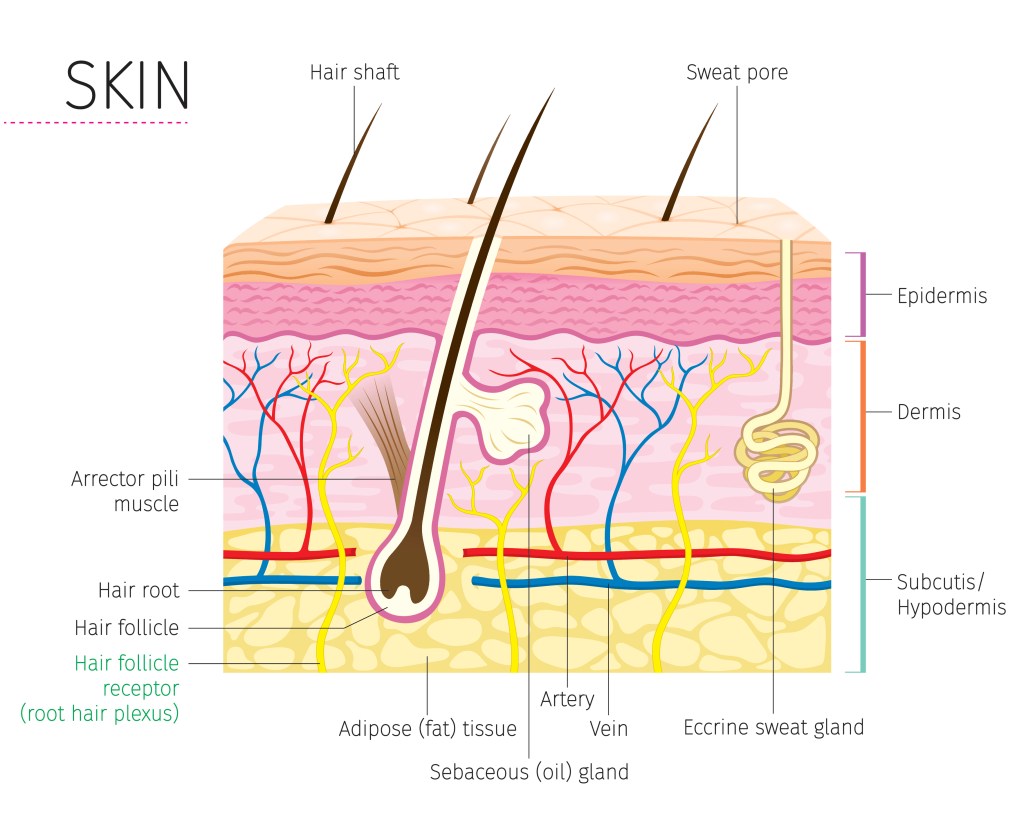
In the skin, the lymphatic system helps transport excess interstitial fluid—the fluid surrounding your cells—along with cellular waste products back into circulation.
When this system works efficiently, your face tends to appear:
Less swollen
More defined
Brighter and more evenly toned
You may have heard claims that “sluggish lymph” causes acne or eczema. In reality, these conditions are usually linked to genetics, hormones, and inflammation. However, improving lymphatic flow can help reduce localized swelling (edema) that sometimes accompanies inflammatory skin conditions, making your skin appear calmer and more balanced.
Signs Your Face May Be Retaining Fluid
You may benefit from facial lymphatic drainage if you notice:
Morning puffiness: swelling around the eyelids, cheeks, or jawline after waking
Lingering swelling: puffiness that takes hours to subside
Dull or tired-looking skin: reduced circulation can make your skin appear flat or lacking glow
A heavy feeling in the face: some people notice tension or fullness in facial tissues
Lymphatic Drainage vs. Regular Facial Massage
Technique is extremely important with lymphatic drainage. Using too much pressure can actually make the technique less effective.
Pressure
Lymphatic vessels sit just beneath the surface of the skin. Effective drainage uses very light pressure and gentle stretching motions. Deep pressure can collapse these tiny vessels and slow fluid movement.
Focus
Traditional facial massage focuses on muscles and helps relieve tension. Lymphatic drainage focuses on fluid movement, guiding excess fluid toward lymph nodes where it can drain away.
Benefits You Can Expect
Facial lymphatic drainage can provide several noticeable benefits when performed consistently.
Reduced puffiness: guiding fluid toward the lymph nodes can decrease swelling, especially around the eyes and jawline
Temporary glow: massage increases blood flow through vasodilation, bringing oxygen and nutrients to the skin and creating a healthy flush
Relaxation: the slow, rhythmic movements can reduce stress and lower cortisol levels, which may indirectly benefit skin health
Step-by-Step Guide to Facial Lymphatic Drainage at Home
To be effective, your movements should guide fluid toward the lymphatic drainage points near the neck and collarbones. Always use very light pressure—think gentle stretching rather than pressing.
1. Preparation
Start with a clean face and clean hands.
Apply a facial oil or hydrating serum so your fingers glide easily across the skin without dragging.
Take three slow belly breaths before beginning. Deep breathing helps stimulate the lymphatic ducts in the chest.
2. Open the Drainage Point (The Terminus)
This step prepares the main drainage area at the base of the neck.
Place your fingers in the soft hollows just above your collarbones.
Gently pump or circle the skin 10 times.
Everything you drain from the face will eventually move toward this area.
3. Neck and Jawline
Neck: Using light strokes, move from behind the ears downward toward the collarbones.
Jawline: Place your fingers at the center of your chin and gently sweep outward along the jawline toward the earlobes.
Repeat 5–10 times.
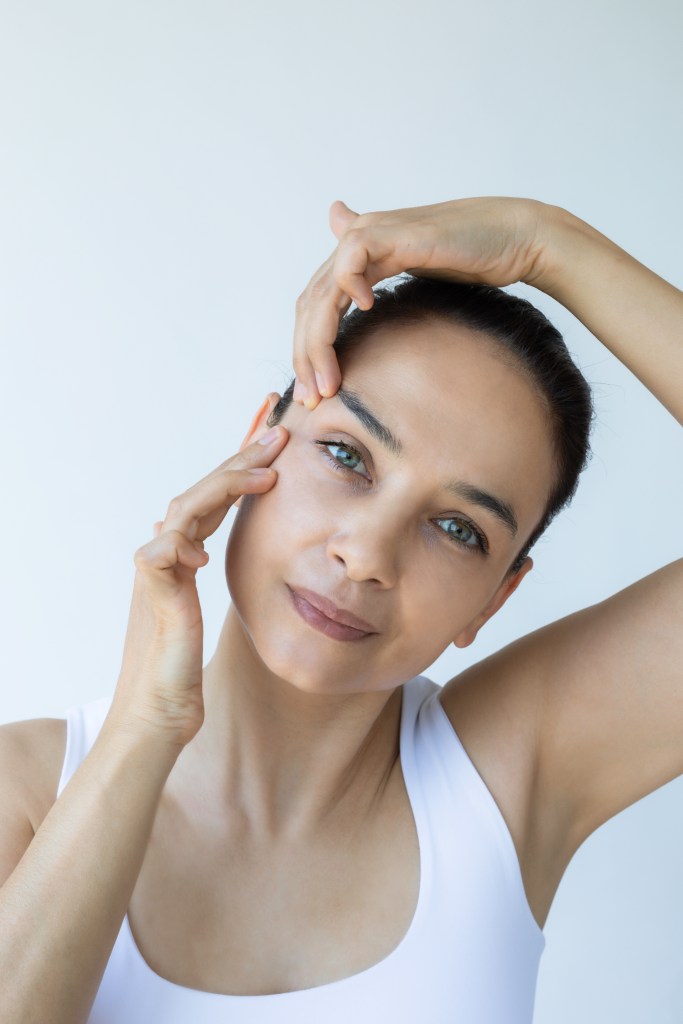
4. Cheeks and Mid-Face
Place your fingers beside your nose.
Using a gentle stretch-and-release motion, move outward toward the ears.
This helps move fluid away from the central face, where puffiness often collects.
5. Under-Eye Area
The skin around the eyes is very delicate, so pressure should be extremely light.
Using your ring finger, gently glide from the inner corner of the eye toward the temples.
From the temples, sweep down the side of the face toward the neck.
6. Forehead
Place your fingers in the center of the forehead.
Sweep outward toward the temples.
Finish by guiding fluid down the sides of the face toward the collarbones.
Completing the full drainage path is important for effective results.
Using Tools: Gua Sha and Jade Rollers
Facial tools are not necessary, but they can make lymphatic massage easier and more relaxing.
Gua Sha
Hold the tool almost flat against the skin (about a 15-degree angle) and use very light strokes that follow the same outward and downward drainage paths.
Jade or Steel Rollers
These tools help cool the skin and reduce temporary swelling. Always roll from the center of the face outward and toward the neck.
Hygiene Tip
Wash your tools with soap and water after every use to prevent bacteria buildup that could contribute to breakouts.
Best Practices for Realistic Results
Consistency matters: a 5-minute daily routine is usually more effective than occasional long sessions.
Stay hydrated: the lymphatic system relies on adequate hydration to move fluid efficiently.
Watch sodium intake: very salty foods can increase temporary water retention, which may make facial puffiness return more quickly.
When to See a Professional
Manual lymphatic drainage is generally safe, but you should consult a healthcare professional if you have:
Active skin infections or severe cystic acne
Congestive heart failure or kidney disease
A history of blood clots
Active cancer in the head or neck region
People with chronic swelling (lymphedema) should see a trained medical specialist rather than attempting self-massage.
Summary
Facial lymphatic drainage is a gentle, science-supported technique that can help reduce puffiness, encourage circulation, and give your skin a refreshed appearance.
While it won’t detox your body or cure chronic skin conditions, a few minutes of daily lymphatic massage can be a relaxing and effective addition to your skincare routine—helping your face look naturally brighter, calmer, and more defined.
Nina
Comments