
Your Skin Doesn’t Renew Every 28 Days — Here’s What Actually Happens

You have probably heard that your skin renews itself every 28 days. But skin renewal is not a countdown that resets every four weeks. The process is continuous, and the speed varies with age, skin condition, lifestyle and even the area of the body.
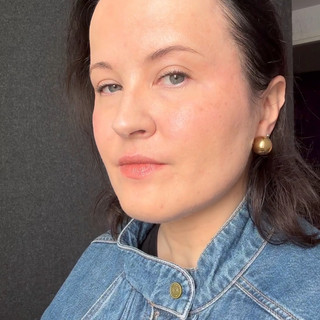
At 46, I have become much more aware of this. My skin does not recover from irritation as quickly as it once did. Dullness can linger longer, and over-exfoliating creates problems much faster than it solves them. Understanding skin renewal has not made me want a more complicated routine. It has done the opposite. It reminds me that skincare works best when I support what my skin is already doing instead of constantly trying to speed it up.
What skin renewal actually means
New skin cells form in the deeper part of the epidermis. As they mature, they gradually move toward the surface. By the time they reach the outermost layer, they have become flat, keratin-filled cells that form part of your protective barrier. Eventually, these surface cells shed naturally and are replaced by newer ones. This process is called cell turnover. Younger skin often turns over more quickly, while the process tends to slow with age. It can also be affected by sun exposure, inflammation and certain skin conditions. Your skin is renewing itself all the time, with different cells at different stages of the journey.

Why skin can look duller in your 40s
As turnover becomes slower, dead cells may remain on the surface for longer. Skin can begin to look dull or feel rough, and uneven tone may become more noticeable. Mature skin simply behaves differently. Dullness is not always caused by a layer of dead skin that needs to be removed. Dehydration, a weakened barrier, lack of sleep, hormonal changes and accumulated sun damage can all affect how bright and smooth the skin appears. Exfoliation may help with surface texture, but it cannot correct every reason your skin looks tired.
What affects the renewal process?
Age and hormonal changes
Cell turnover gradually slows as we age. Collagen production also declines, and the skin may become thinner, drier and less resilient. Perimenopause and menopause can make these changes more noticeable. As oestrogen levels fluctuate and eventually decline, the skin may hold less moisture and produce less collagen. A routine that worked perfectly in your 30s may suddenly feel too light, too active or simply wrong. That does not mean you need to replace everything. Sometimes your skin is asking for fewer active ingredients and more support.

Sun exposure
UV exposure affects skin-cell DNA and contributes to uneven pigmentation, loss of firmness and slower recovery. This is why sunscreen is not separate from an anti-ageing routine—it is the foundation of one. If you want your nighttime products to have a fair chance of working, sunscreen belongs in your morning routine. You can use retinoids, acids and expensive serums, but none of them can undo the effect of unprotected UV exposure while it continues every day.
Stress and sleep
Long-term stress can show on the skin. It may affect the barrier, worsen inflammation and make some skin conditions more reactive. Poor sleep can also leave the face looking dull and tired, even if your skincare routine has not changed. I know this personally. Years of living with a nervous system under strain have sometimes shown in my face. Skincare can support my skin, but it cannot replace rest or remove the effects of stress from my life. I no longer expect it to.

Your skin barrier
A healthy barrier helps the skin hold on to water and protects it from external irritants. When that barrier becomes compromised, skin can feel tight, sting when you apply familiar products or become unusually red and reactive. At that point, increasing exfoliation is not the way to go. The skin usually needs a simpler routine and time to rest.

Support the barrier
Ingredients such as ceramides, glycerin, squalane and niacinamide can help support hydration and barrier function. A simple moisturiser that your skin tolerates is often more useful than a complicated product promising instant renewal. This is especially important when you use retinoids or exfoliating acids. If you encourage faster turnover while ignoring the barrier, your skin may end up looking more inflamed rather than more radiant.
Does skin really change with the seasons?
Living in Finland makes seasonal changes difficult to ignore. My skin does not behave the same way in January as it does in July. In winter, cold air and indoor heating can leave it dry, tight and more fragile. Richer moisturisers and gentler cleansing often make more sense than adding another exfoliant. In spring, changing temperatures and increased light can make the skin feel unpredictable.
During summer, heat, sweat, sunscreen and air conditioning may increase congestion or irritation. By autumn, pigmentation and dehydration from summer can become more visible just as the air begins to get drier again. The skin-renewal process does not neatly change gears with each season, but the environment affects the barrier, hydration and how the skin looks and feels. Your routine can change with it.

How to support skin renewal without overdoing it
Exfoliate according to your skin—not a schedule
You do not automatically need to exfoliate two or three times a week. Some skin tolerates that frequency, while sensitive or retinoid-treated skin may need much less.
AHAs such as lactic and glycolic acid work mainly on the skin’s surface and can help with roughness and uneven tone.
Salicylic acid is oil-soluble, making it useful for clogged pores and oily skin.
I would leave physical exfoliation for your body, arms and legs.
The right frequency is the one that leaves your skin smoother without causing burning, persistent redness, tightness or peeling.
Consider a retinoid
Retinoids can support cell turnover, improve uneven texture and help with fine lines and breakouts. They are effective, but they can also irritate the skin. Start slowly and resist the urge to add several other active ingredients at the same time. More irritation does not mean faster results.

Your skin does not need to be rushed
Skin renewal is happening whether you think about it or not. Your job is not to force the process into a perfect 28-day cycle. At this age, I am less interested in making my skin renew as quickly as possible. I care more about keeping it calm, comfortable and able to function well. That means using active ingredients with intention, protecting my skin from UV exposure and changing my routine when my skin changes. Sometimes it means doing less. Healthy-looking skin does not come from constantly removing its surface. It comes from supporting the whole process—including the barrier that protects everything underneath.
-Nina✨


Comments