
How To Layer Skincare Products Properly?

Hi, Violet Gang!
I’ve been sharing short videos of my morning and evening skincare routines on Instagram for a while now. You can find them on my account @violettextsbynina, under the (highlight)series Violet Routine. In each video, I highlight just one product—why I use it, when I use it, and what it does for my skin, and so on. However, because those clips spotlight only one product, I thought it was a good idea to step back and see the whole routine: what a complete skincare routine actually entails.
Your skincare routine doesn't need to be complicated to be effective. Dermatologists actually recommend keeping it simple — just three essential steps: cleansing, moisturizing, and sun protection. These few steps are the bare minimum I would ask people to do for their skin if they felt skincare is a lot of work. But, of course, the choice is yours at all times. This "less is more" approach works well while saving you time and money.
Does the Order of Products Really Matter?
When you apply products in the correct order, each treatment can penetrate properly and work together to address your specific concerns. Your skincare routine steps become a shield against UV damage while keeping pores clear of dirt, oil, and bacteria. Whether you're starting fresh or refining what you already do, understanding the correct application order is crucial for maximizing the benefits of your products. Your skin deserves products that actually work together, not against each other.
European dermatologists strongly recommend using a broad-spectrum sunscreen with SPF 30 or higher every day, regardless of the weather or season. This daily habit helps prevent premature aging, skin cancer, and long-term UV damage, especially in people with fair or sensitive skin.
Unlike passing skincare trends, sunscreen is a clinical standard in Europe, backed by strict regulations. EU sunscreens must protect against both UVB and UVA rays, with UVA protection required to be at least one-third of the labeled SPF. The bottom line? Sunscreen isn’t optional — it’s essential for lasting skin health.
Let's explore how to make that happen.
Do youunderstand the Order of the Skincare Routine?
Skincare application order isn't just a suggestion — there’s science behind it. Each product needs the right conditions to penetrate effectively and deliver its intended benefits. Think of it as building layers of protection and treatment, with each step preparing the way for the next.
Why do the Order of Skincare Steps Matter?
Get the order right, and you maximize the effectiveness of every product. Get it wrong? You create barriers that block active ingredients from reaching their target areas. Put an oil-based product before a water-based one, for example, and you've just made a barrier that prevents the water-based formula from being absorbed properly. Some ingredients enhance each other when layered correctly, while others can irritate if mixed.
From Thinnest to Thickest? Or Vice Versa?
Here's the golden rule: apply products from thinnest to thickest consistency. The logic is simple. Lighter, water-based formulations absorb quickly and go on first. Heavier products seal everything in and come last.
After cleansing, you'd typically apply toner or essence (thinnest), followed by serums, then eye cream, moisturizer, and finally face oil and sunscreen (thickest). This progression gives each product the opportunity to penetrate properly. Apply a thick moisturizer first? You've just prevented thinner serums from delivering their concentrated ingredients where they're needed most.
Did you know that the morning and night skincare routines are Different?
Your skin has different needs throughout the day, which is why morning and evening routines serve entirely different purposes. Morning skincare focuses on protecting against environmental stressors, such as UV rays and pollution. Think gentle cleansing, hydration, and most importantly, sun protection with broad-spectrum SPF 30 or higher.
Nighttime routines emphasize repair and renewal as your skin enters its natural healing cycle during sleep. Evening is when you reach for deeper treatments — retinol, exfoliation, richer moisturizers. Around 11 PM to midnight, your skin enters cell mitosis, when your immune system functions at maximum capacity to repair itself by generating new skin cells. This makes nighttime perfect for potent active ingredients that might cause skin photosensitivity during the day.
⛅️Here are the Morning Skincare Routine Steps
Your morning routine is your skin's daily armor. These six steps create a protective shield that keeps your complexion healthy, hydrated, and ready to face whatever the day brings.
Step 1: Cleanser — Start with a clean base
Morning cleansing wipes away the night — sweat, oils, and any leftover products that accumulated while you slept. Select a gentle cleanser that suits your skin type. Creamy formulas suit dry skin perfectly, while gel or foaming cleansers work better for oily complexions. Dampen your face with lukewarm water, massage in circular motions, then rinse thoroughly. This clean canvas lets everything that follows penetrate properly.
Step 2: Toner/Essence — Balance and prep the skin
Saturate a cotton pad and sweep upward across your face, or pat it on with your hands.
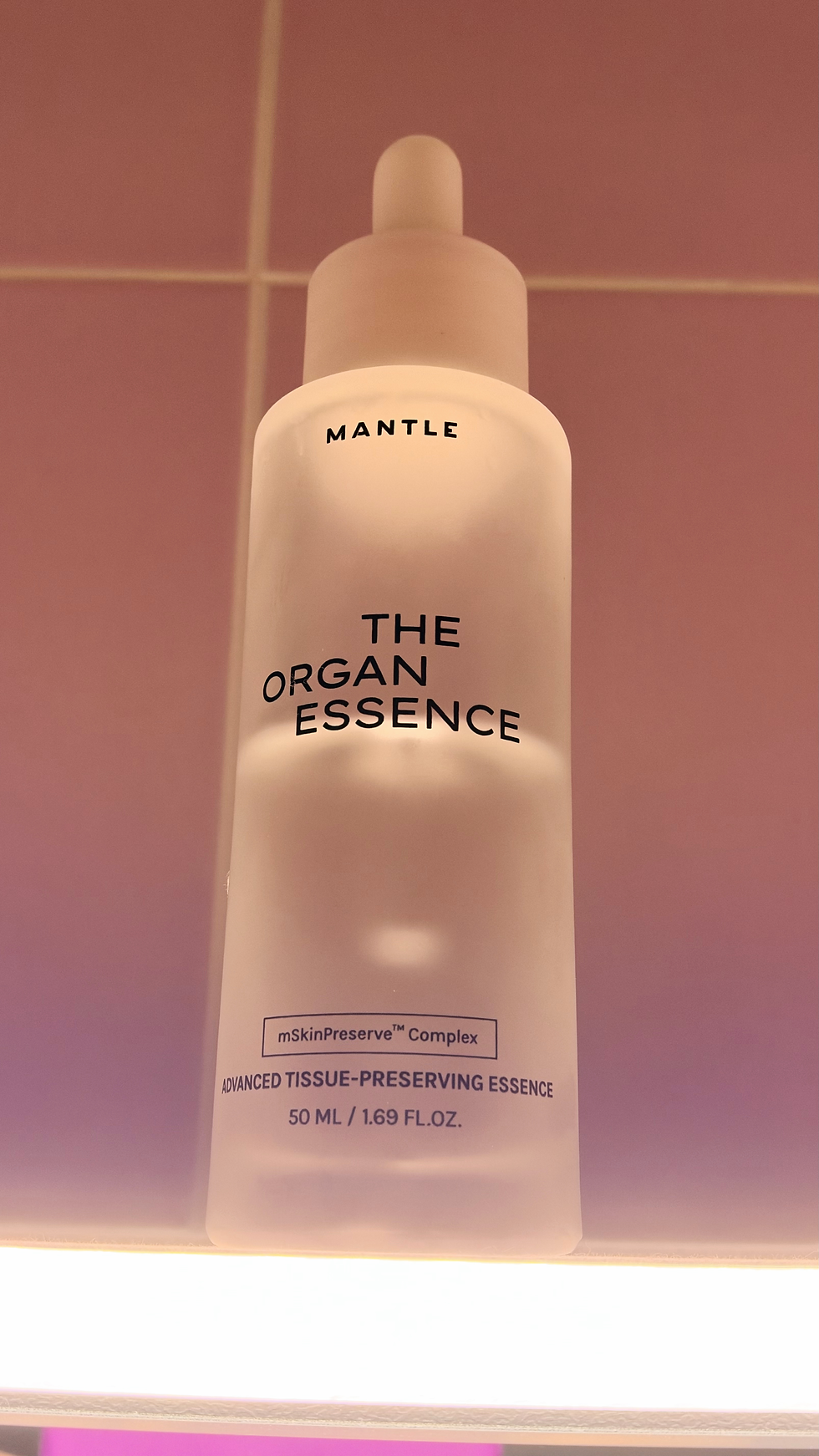
Apply toner right after cleansing to sweep away lingering impurities and rebalance your skin’s pH. Today’s toners go beyond simple cleansing — they hydrate, minimize the appearance of pores, and help your other products absorb more effectively. While toners refresh and balance, essences hydrate and boost absorption. Used together, they create the perfect canvas for your skincare routine.
Step 3: Serum — Target specific skin concerns
Serums pack concentrated active ingredients into lightweight formulas designed to address specific skincare concerns. For morning use, antioxidant serums, such as vitamin C, protect against environmental damage throughout the day. Apply a few drops to your palms, then gently pat onto face and neck. Wait a moment before moving to the next step — your serum needs time to absorb completely. Morning serums should focus on protection against environmental stressors.
Step 4: Eye cream — Care for the delicate under-eye area
The skin around your eyes is thinner and more delicate than anywhere else on your face. Use your ring finger — it naturally applies less pressure — and gently pat eye cream in a semi-circle from the inner corner outward. Eye creams tackle puffiness, dark circles, and fine lines. Applying concealer in the morning also creates a smooth base.
Step 5: Moisturizer — Lock in hydration
Moisturizers create a protective barrier while delivering essential hydration. Match your formula to your skin type — use creams for dry skin, and opt for lighter gels or lotions for oily complexions. Apply about the amount of a small coin to your face and neck using upward strokes. Consistent moisturizing helps prevent dryness, reduces skin issues, and protects your skin's barrier.
Step 6: Sunscreen — Protect against UV damage
Sunscreen is non-negotiable. To protect your skin from sun damage, EU guidelines recommend using a broad-spectrum sunscreen, applying it generously before sun exposure, and reapplying every two hours. The European Union enforces stricter UVA protection standards and bans misleading terms, such as “sunblock.” Consistent and correct use is key to effective sun protection. This step can literally save your skin.
🌜Which steps should I Do In The Evening?
Nighttime is when your skin gets to work. While you sleep, your skin shifts into repair mode — and that's exactly when the right products make their biggest difference.
Your evening routine looks nothing like your morning protection ritual. This is about deep cleansing and serious repair work.
Step 1: Makeup Remover – A Must Every Evening
Start by removing every trace of makeup and sunscreen with an oil-based cleanser. This formulation dissolves the oil-based impurities that build up throughout your day. Apply to dry skin, gently massage, then rinse with lukewarm water to prevent residue from settling into your pores.
Step 2: Cleanser – Deep cleanse your skin
Follow up with a water-based cleanser for complete removal of everything left behind. This double-cleansing method ensures that all residue, pollution, dirt, sweat, and water-based debris are completely removed. Two gentle formulas work better than one harsh cleanser that strips your skin.
Step 3: Exfoliator or mask – Use 2-3 times a week
Add exfoliation or masks 1-3 times a week, based on your skin's tolerance. Chemical exfoliants dissolve the bonds between dead skin cells, while physical exfoliants manually remove them. Overnight masks work differently — they intensely hydrate and nourish the skin while you sleep. Always follow exfoliation with moisturizer to prevent dryness.
Step 4: Toner – Refresh and rebalance
Toner restores pH balance and sweeps away any lingering impurities. Apply it immediately after cleansing, while your skin is still slightly damp — this actually enhances absorption. Choose alcohol-free formulations for nighttime use.
Step 5: Treatment serums – Retinol, acids, or hydrating serums
Here's where nighttime really shines. Potent ingredients like retinol or acids are most effective at night, as they can increase sun sensitivity. Choose serums based on your specific concerns, such as pro-aging, brightening, or hydration. These treatments work alongside your body's natural overnight repair processes.
Step 6: Night cream or sleep mask – Seal in overnight repair
Finish with a cream or sleeping mask to lock everything in. These formulas contain higher concentrations of active ingredients, specifically designed to support your skin's overnight repair process.
Your skin does its most important healing while you sleep.
Violet-tinted sign-off
Effective skincare comes down to understanding what your skin actually needs. Morning routines protect against daily damage, while nighttime routines focus on repair and renewal during your skin's natural healing cycle.
Consistency beats complexity every time. Those three basic steps — cleansing, moisturizing, and sun protection — can maintain healthy skin when you do them correctly and regularly. The "thinnest to thickest" rule ensures each product works as intended without interference from others.
Skincare routines might feel overwhelming at first, but they become second nature with practice. Just think how automatically you brush your teeth every morning and night! It’s the same thing. Start with the essentials, then gradually add treatments that target your specific concerns. This approach maintains your skin's natural barrier while addressing what matters most to you.
The perfect routine evolves as your skin changes. Listen to what your skin tells you, adjust when needed, and remember — effective skincare isn't about following trends. It's about understanding what works best for you. Because when it comes to skincare, knowledge truly is power.
If you have any questions or comments, you can reach me the easiest on Instagram.
Have a lovely week!
Nina.


Comments